2026-11-15 ·
What Influences Water Line Replacement Pricing Around Columbia, South Carolina
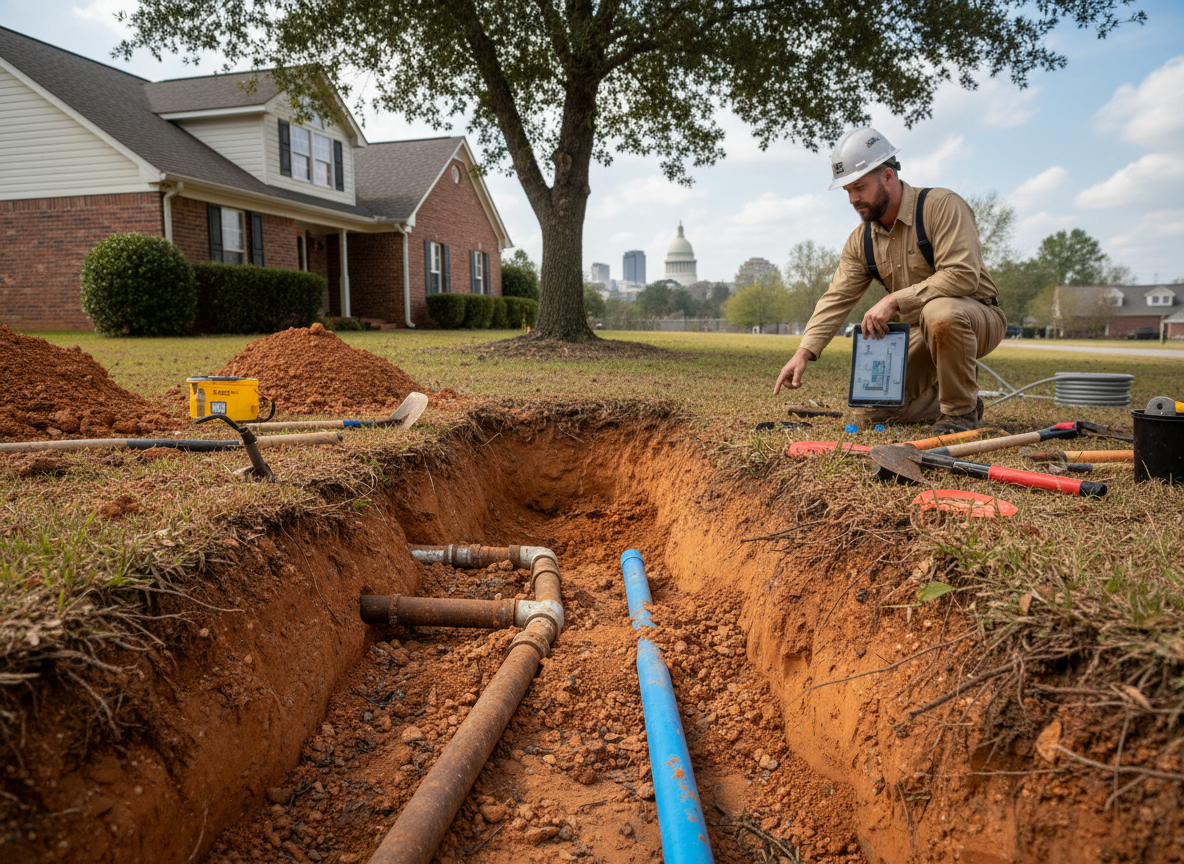
Several local conditions determine what water line replacement costs around Columbia South Carolina. Soil composition, the material and age of existing pipes, depth of the line, and whether trenchless options fit the site all play measurable roles in the final scope of work.
Soil Composition and Ground Movement
Columbia sits on a mix of clay-heavy and sandy soils that shift with moisture changes common in the humid subtropical climate. Clay expands when wet and contracts during dry spells, placing repeated stress on buried lines. This movement often leads to cracks or joint separations that require full replacement rather than spot repairs. Sandy areas drain faster but can erode around pipes, leaving them unsupported. Homeowners who schedule a service line inspection before problems worsen can identify sections where ground conditions have already compromised the pipe. In neighborhoods near the Congaree River or older subdivisions built on fill dirt, crews frequently encounter unstable trenches that demand extra shoring or backfill material. These site-specific soil traits directly extend the labor and equipment time needed for a lasting repair.
Pipe Material and Age Factors
Many Columbia homes built before the 1980s still contain galvanized steel or polybutylene lines that corrode or become brittle over decades. Galvanized pipe develops interior rust that restricts flow and eventually leaks at threaded joints. Polybutylene, once popular for its low cost, reacts poorly with local water chemistry and develops micro-fractures. When these materials reach the end of reliable service, replacement becomes the practical choice. Newer copper or HDPE lines last longer but still require attention if they were installed with improper bedding or have been disturbed by later construction. A main water line repair referral service can assess material condition through camera inspection and recommend the most suitable replacement material for the property's soil and water conditions.
Access and Excavation Requirements
Driveways, mature landscaping, sidewalks, and utility crossings often dictate how much digging is necessary. Properties with narrow side yards or shared easements limit equipment maneuverability, increasing the time required to expose the line. In established Columbia neighborhoods such as Shandon or Forest Acres, crews may need to work around established trees whose roots have grown around the pipe. Trenchless water line replacement methods can reduce surface disruption in these situations, but they still require adequate entry and exit pits. Homeowners benefit from reviewing site photos with the referral service to understand which approach fits the layout before work begins.
Local Regulations and Permit Processes
Richland County and the City of Columbia both require permits for water line work that ties into the municipal supply. Inspections at the connection point and backfill stage add scheduled hold points to the project timeline. Some older plats carry easements that restrict where new lines may be placed, forcing crews to reroute around existing sewer or gas infrastructure. These administrative steps vary by address and must be completed before excavation starts. Referring to the water line replacement page on the referral site clarifies the sequence of permits and inspections typical for Columbia addresses.
Climate and Seasonal Influences
Hot, humid summers accelerate corrosion on metal pipes while mild winters reduce the risk of freeze damage yet still allow occasional cold snaps that stress joints. Heavy spring rains saturate clay soils, making trenches unstable and increasing the chance of cave-ins during excavation. Preparing your water line for Columbia's wet season includes checking for early signs of leakage before the ground becomes saturated again. Properties that experience repeated flooding or poor drainage often see faster pipe deterioration, which shortens the interval between replacements. Understanding these seasonal patterns helps homeowners time inspections for drier months when soil conditions allow clearer assessment of line integrity.