2026-11-18 ·
How To Spot Main Water Line Leaks In Columbia Yards
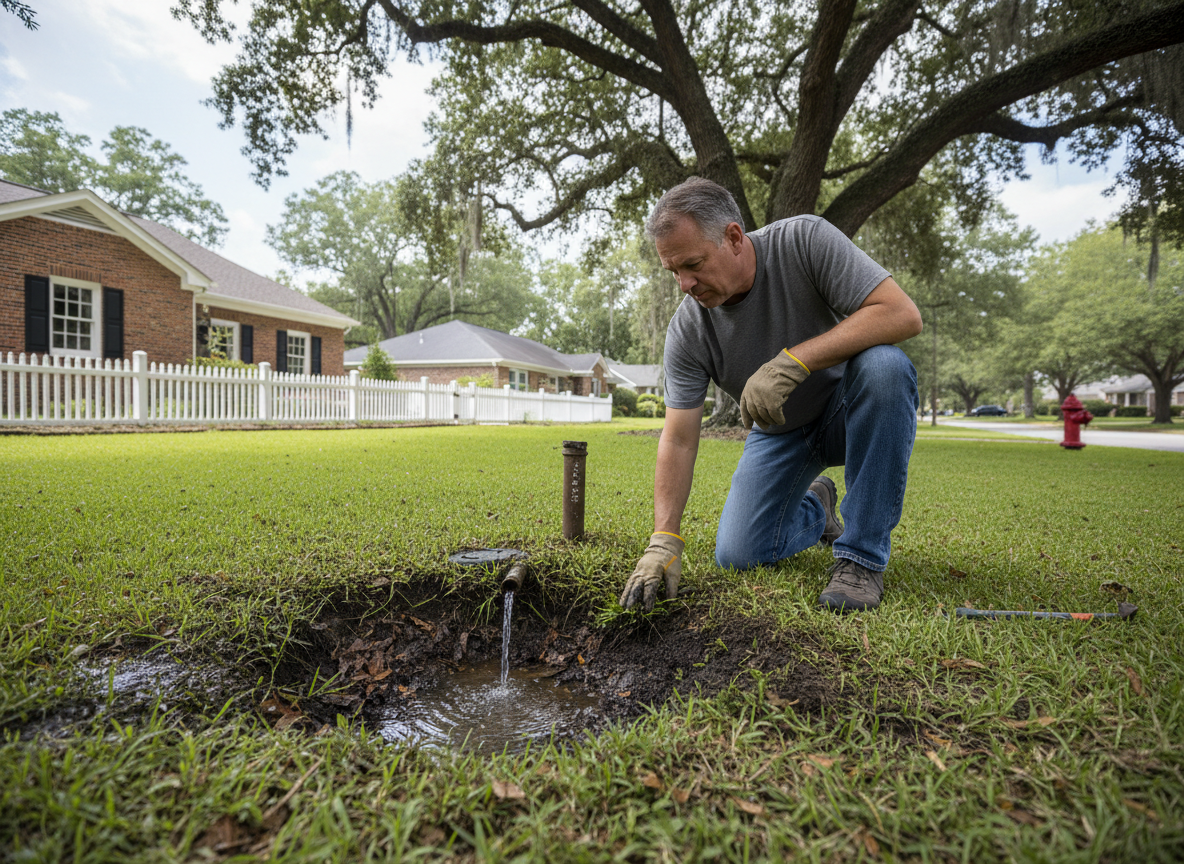
Main water line leaks in Columbia yards typically appear first as persistent wet areas or sudden drops in household water pressure, especially along the path from the street to the home. These indicators stand out in the region's hot summers when dry spells make moisture obvious and during mild winters when ground movement can expose issues. Spotting them early lets owners address problems before erosion spreads.
Watching for Surface Moisture and Vegetation Changes
Look along the likely route of the main line for soggy patches that do not dry out after rain or watering. In Columbia's humid subtropical climate, these spots often stay damp longer than surrounding soil because of constant underground seepage. Grass may grow unusually green or tall in a narrow strip while nearby areas turn brown in summer heat. Wilting plants in other parts of the yard can signal the opposite problem when pressure falls. Walk the line path after heavy summer storms to compare moisture levels against normal drainage patterns. Note any new puddles near sidewalks or driveways that return quickly even in dry weather.
Checking for Sinkholes and Soil Shifts
Small depressions or collapsing soil near the curb or foundation often trace back to main line leaks washing away supporting dirt. Columbia's mild winters allow repeated freeze-thaw cycles that widen these voids once water escapes the pipe. Measure any new dips deeper than a few inches and mark them to track growth over weeks. Erosion along the line can also create soft spots underfoot that feel like walking on a sponge. Avoid filling these areas yourself, since added weight can worsen the collapse. Compare photos taken monthly to document changes before they reach the house slab.
Monitoring Household Water Pressure and Flow
Sudden low pressure at multiple fixtures points to a possible main line issue rather than a single fixture problem. Run several taps at once and note whether flow stays steady or drops off after a minute. In Columbia homes, this test works best during peak summer demand when overall system pressure is already lower. Listen for hissing sounds in walls or under floors when no water is running. Keep a simple log of meter readings over several days with all fixtures off to spot unexplained usage. These observations help distinguish between a service line leak and other plumbing concerns.
Using Visual and Basic Tool Inspections
Follow the main line path with a metal detector or by locating the curb stop valve and tracing toward the house. Mark any areas where the ground feels cooler to the touch on warm days, indicating water movement below. Columbia yards often have clay-heavy soils that hold moisture and make temperature differences easier to detect. Shine a flashlight into low spots at dusk to look for reflections from standing water. Avoid digging without knowing exact utility locations, but gentle probing with a long screwdriver can confirm soft soil without major disturbance. These steps give clear evidence before contacting specialists.
Homeowners who notice several of these signs together benefit from professional leak detection or a service line inspection to confirm the source. The article on preparing your water line for Columbia's wet season offers further steps to protect lines during heavy rains. Consistent observation in Columbia yards keeps small leaks from turning into major yard repairs.